The Interview Room as Entertainment: What Confession TV Leaves Out
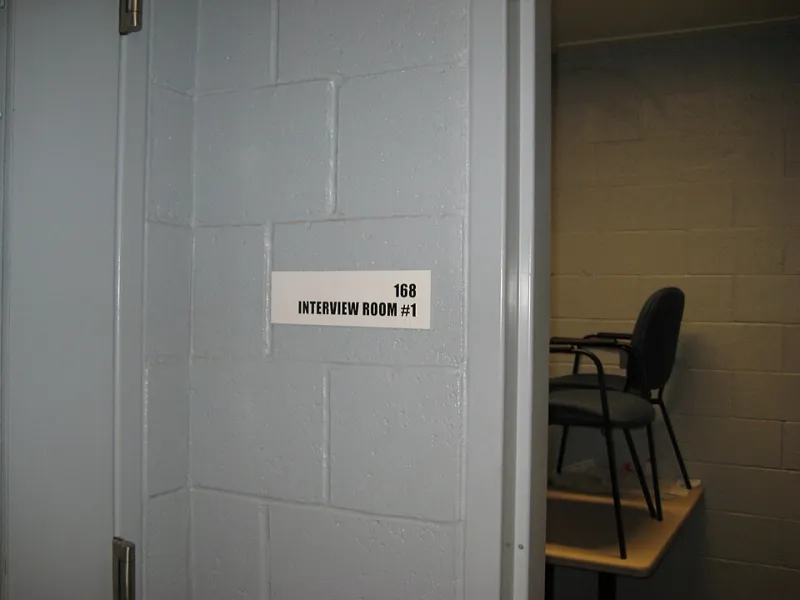
Photo: 888bailbond, CC BY 2.0, via Wikimedia Commons
Confession footage is television gold. A suspect shifts in a chair, a detective leans forward, a tape whirs and the music drops. UK true-crime documentaries know exactly how to make an interview room feel like a stage. The trouble is that an interview is not a play. It is a legal process with safeguards, vulnerabilities and a long psychological backstory — and too often, the edit leaves most of that on the cutting-room floor.
The lure of the tape
We are drawn to confession footage because it promises certainty. A person says the words. The case seems to close. For armchair detectives, the interview room is where the puzzle supposedly resolves itself. But real interrogations are not neat. They are long, repetitive and shaped by law, training and the suspect's state of mind. A documentary that shows only the dramatic beats can make a contested confession look like a clean confession.
What PACE is meant to protect
The Police and Criminal Evidence Act 1984 — PACE — is the framework that stops interviews from becoming a free-for-all. It covers cautions, the right to legal advice, rest periods, appropriate adults for juveniles and vulnerable adults, and the recording of interviews. The PEACE model of interviewing — planning and preparation, engage and explain, account, closure and evaluate — is supposed to encourage fair, information-gathering questioning rather than a theatrical contest of wills.
None of that makes a documentary dishonest by default. But when a programme jumps from arrest to admission in three minutes, viewers are not seeing the safeguards in action. They are seeing the highlights. A fair edit should at least tell us what happened before the tape: was legal advice taken? Was an appropriate adult present? How long had the suspect been awake? Had they been interviewed before? Those details are not filler. They are the context that tells us how much weight a confession can bear.
Vulnerability is not a get-out clause
It is tempting to hear the word vulnerable and assume someone is making excuses. That is the wrong instinct. Vulnerability can mean learning disability, mental illness, intoxication, exhaustion, age or simply a person who is desperate to end the interview. PACE safeguards exist because those factors can affect how someone understands a question, weighs a consequence or says what an interviewer wants to hear.
A confession from a vulnerable suspect is not automatically false. But it is automatically a confession that deserves context. If a documentary shows the admission and skips the vulnerability, it is not showing us the whole interview. It is showing us the verdict it wants us to feel.
The false confession problem
False confessions are not a fantasy invented by defence lawyers. Research and case reviews have identified several routes: compliance, where someone says what they think will get them out of the room; internalisation, where they come to believe they did it; and confabulation, where memory fills gaps with invented detail. Long interviews, leading questions, promises of leniency and exhaustion can all play a part. So can a suspect's desire to protect someone else or to bring a stressful process to an end.
This is why confession footage needs expert framing. A viewer watching a clipped sequence may see certainty. A psychologist may see a person who has been worn down. Both viewers are watching the same tape. Only one has been given the tools to interpret it.
The edit is an author
Every documentary is an edit. That is not a scandal; it is the form. But true-crime TV often borrows the grammar of drama — ominous music, slow zooms, reaction shots — while presenting itself as neutral evidence. The result can be a strange hybrid: part journalism, part courtroom thriller, part entertainment. When the subject is a confession, that hybrid needs a health warning.
A responsible programme can still be gripping. It can show longer stretches of interview, use on-screen context cards, name the safeguards and bring in a defence lawyer or psychologist to explain what the viewer is not seeing. It can say: this is an excerpt; this is what happened before; this is what remains disputed. That does not ruin the story. It makes the story honest.
What a better confession documentary looks like
It would tell us the legal status of the interview. It would explain PACE in plain English. It would flag vulnerability and appropriate adults. It would show the caution and the right to legal advice, not just the dramatic admission. It would avoid suggesting that a confession is the same thing as a conviction. And it would resist the temptation to turn a suspect into a character in a whodunnit.
That last point matters for armchair detectives. We are not in the room. We do not know what happened before the cameras rolled or what was said in the breaks. A confession can be powerful evidence. It can also be unreliable, coerced or misunderstood. The least a documentary can do is give us the context to tell the difference.
A viewer's checklist
When you watch an interview excerpt, ask: what was the suspect's mental state? Was an appropriate adult present? Did they have legal advice? How long had they been questioned? What was the question before the answer? Was the confession tested against other evidence? And what did the programme leave out?
Those questions do not make us cynical. They make us better viewers. The interview room is not a theatre, and a confession is not a curtain call. If UK true-crime TV wants to show us the tape, it should show us the safeguards too.